
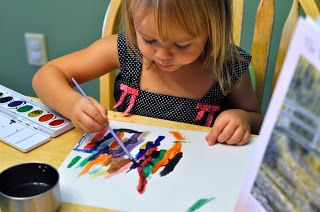
Helping Your Special Needs Child Thrive Through the Arts at Home
By Carrie Spencer
Parents of children with learning disabilities often feel stuck between wanting meaningful creative time and fearing another activity that ends in frustration or shutdown. School supports can be uneven, and typical craft ideas don’t always fit the way a child processes directions, sensory input, or emotions. Inclusive art activities and gentle art therapy for learning disabilities can offer a calmer, kinder way to build skills while honoring individual needs. With steady arts engagement benefits, from confidence to connection, creative development for special needs children can start right at home.
Understanding Why Creativity Helps Your Child Thrive
Creativity is more than a fun break from schoolwork. It is a gentle way for kids to practice thinking skills, share feelings, and connect with other people. When a child makes something, their brain is sorting choices, planning steps, and trying again without the pressure of a “right” answer.
That matters because the same art activity can support multiple needs at once. Many families notice calmer moods when kids can use art for emotional healing and expression, especially when words feel hard. Over time, short creative routines can also build patience, turn taking, and confidence.
Think of art like a low-stakes rehearsal for real life. Mixing colors becomes decision-making practice, and telling a story with pictures becomes sequencing practice. Sharing the finished work, even with one person, becomes social practice. That “why” makes room for simple animated storytelling on a screen, with sequencing and confidence built in.
Turn Stories Into Motion With Kid-Friendly AI Animation
When creative play is set up to feel safe and doable, kids often show you more of their inner world. AI art can be a wonderfully accessible, low-pressure outlet for children with special needs, especially when drawing skills (or the pressure to “get it right”) have gotten in the way before. With AI-assisted animation, your child can explore self-expression in a way that fits their abilities and interests, then see their ideas come to life quickly, which can be a real confidence boost.
An AI animation generator can turn simple text prompts, rough sketches, or images into lively 2D or 3D animations without requiring advanced design skills. That means your child can focus on the story they want to tell, what happens first, next, and last, while the tool helps with the visuals and motion. If you’d like to see what this can look like, an AI animation maker can help transform those small creative sparks into short animated videos.
Art-at-Home Options Compared at a Glance
This quick chart compares common art types you can do at home, with the “why” and the “watch-outs” side by side. It matters because the best fit often depends on your child’s learning style, sensory needs, and energy level on that particular day. Many families find that mixing visual auditory kinesthetic options helps keep participation steady.
| Option | Benefit | Best For | Consideration |
| Painting and drawing | Builds communication through images and symbols | Quiet focus, visual thinkers, mood check-ins | Mess and perfectionism may raise stress |
| Music and rhythm | Supports regulation through predictable patterns | Auditory learners, transitions, routines | Noise sensitivity; volume control needed |
| Dance and movement | Releases energy and supports body awareness | Wiggle needs, sensory seekers, bedtime wind-down | Space and safety; some benefit includes improved sleep |
| Crafting and sculpting | Strengthens fine motor skills and planning | Hands-on learners, fidgety hands | Texture aversions; small pieces require supervision |
| Theater and pretend play | Practices feelings, roles, and flexible thinking | Social stories, anxiety rehearsals, sibling play | Performance pressure; keep it playful |
Set Up Creative Wins: Simple Home and Community Steps
A good arts routine doesn’t have to be fancy, it just has to be doable, repeatable, and welcoming for your child’s brain and body. Use the art type you picked from the comparison table as your “home base,” then build small supports that make showing up easier.
- Create a “yes space” for art: Pick one spot where art is always allowed, kitchen table, porch, or a small rolling cart, and keep the basics there (paper, crayons, headphones, a scarf for dance, a small bin of props). The idea behind manual work at home is comfort and access, so your child isn’t battling the setup before they even start. Add one simple rule that reduces stress, like “mess stays on the tray” or “paint only in the smock.”
- Start with a 10-minute “warm-up,” then stop on purpose: For many kids with learning differences, starting is the hardest part. Set a short timer (8–12 minutes) and do a tiny starter task: 3 scribbles that become a creature, 1 rhythm copied back to you, 2 dance moves repeated, or 1 silly character voice. Ending while it’s still going okay protects confidence and makes it more likely they’ll come back tomorrow.
- Adapt the activity, not the goal: Keep the purpose the same (self-expression, coordination, sequencing) but adjust the input. Examples: use larger paper and thick markers for shaky hands, tape paper to the table, swap scissors for tearing, or let your child hum the song instead of singing words. For theater, offer two choices for a line rather than asking them to invent it from scratch.
- Build in “choice points” to support self-expression: Give structured choices so your child gets ownership without getting overwhelmed: “Do you want drums or clapping?” “Paint or collage?” “Fast song or slow song?” For drawing, try “pick one: a place, an animal, or a feeling.” Those little decisions are where their personality shows up, and it helps you see what truly motivates them.
- Use steady engagement cues (visual, sensory, and routine): Make the routine predictable: same day, same order, same closing habit (hang it up, play it back once, take a bow). Keep a simple visual checklist with 3 pictures: start, make, finish. If attention wanders, bring them back with a body cue instead of more talking, deep pressure hug (if they like it), wall push-ups, or a quick “shake out” dance break.
- Try community art programs with a low-stakes plan: Look for library crafts, adaptive rec classes, community theater workshops, or open studio times, then aim for one small win: “We’ll stay 20 minutes,” or “We’ll meet the teacher and try one station.” Since arts attendance is common for many families, you can often find an event or class that fits, especially if you ask about sensory-friendly times, quieter seating, or previewing materials. Bring familiar tools (favorite pencil grip, noise reducers, fidget) so the new place feels less new.
Open One Art Door and Build Creative Confidence at Home
Some days it can feel like supporting a special needs child means choosing between progress and peace, especially when new activities bring big feelings. A supportive parenting approach that stays simple, steady invitations, flexible expectations, and lots of parental encouragement, keeps the arts a safe place to try. Over time, the positive impact of arts shows up as calmer practice, clearer self-expression, and real pride in small wins that add up to long-term benefits of arts involvement. Tiny creative steps, repeated with kindness, build confidence that lasts.
s.